






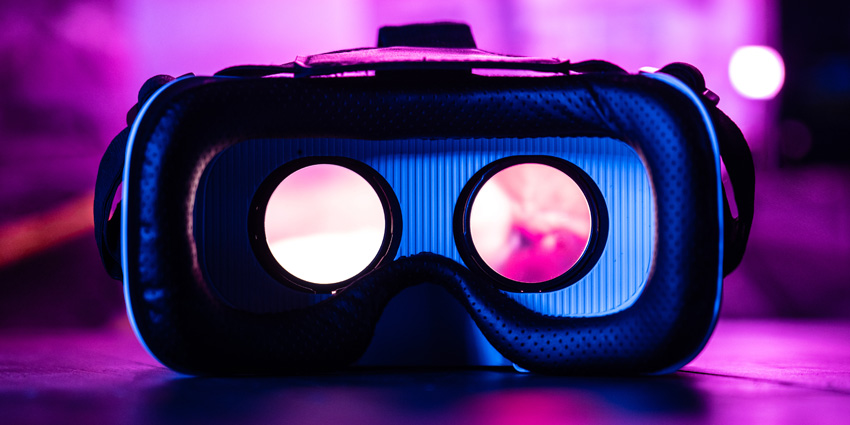
Virtual and augmented reality are becoming so integrated into modern life that we often take them for granted. When watching soccer games on television, fans intuitively look for the yellow “first down line,” which indicates how far the offensive team can go for additional scoring opportunities. First introduced in 1998, this computer-generated lineup takes a lot of effort to ensure you always appear in the right place as the television feed zooms in and out and changes from camera to camera.
Read About: Technology in US
In Olympic swimming broadcasts, lanes can be marked in a similar way, displaying each swimmer’s name, flag, and speed in meters per second.
Read About: Driving Technology
More recently, programmers have created phone apps that can guide you to a specific address, camera filters that let you attend online meetings like a cat, and websites that let you set up a specific sofa in your living room so you can see how it works. fits.
Read About: Twitter Updates
These are all examples of augmented reality, which is firmly anchored in reality but enhanced with digital input. In contrast, virtual reality (VR) aims to immerse the user in a completely different world, perhaps a famous city, a distant planet, the inside of a living animal, or a fantasy world limited only by the imagination of the creators. . Virtual reality begins with a head-mounted display that blocks out all ambient light and replaces it with a digital world that the viewer can explore.




