



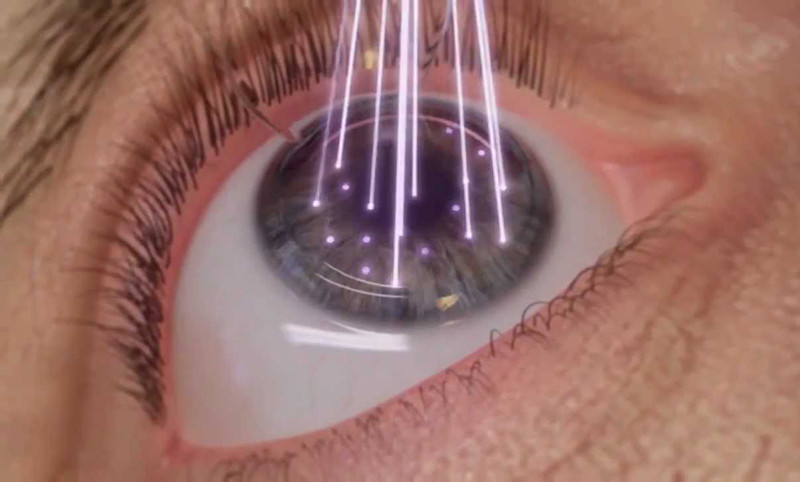
LASIK is a laser-assisted precision eye surgery that is gaining in popularity. It is a viable option for those suffering from eye conditions like myopia, hypermetropia, presbyopia, or astigmatism. Lasik is a laser refractive surgery and gets its name from the expansion of “laser-assisted in situ keratomileusis.” It reshapes the cornea for better vision by permitting light to enter the eye. In most cases, those who undergo this procedure need not use glasses or contact lenses. It is a painless surgery that takes around 15-20 minutes and has a high success rate.
Types of Lasik Surgery:
- Lasik: It is a procedure whereby the cornea of the eye is reshaped using a hinged flap with the use of a blade. The thin layers of the cornea are then removed with the help of laser beams.
- Intra-Lasik: The procedure is done by a surgeon who uses a laser to cut through and reshape the cornea of the eye.
- Wavefront Lasik: It is the most advanced kind of Lasik surgery which can be customized as per individual requirements. In this technique, a 3D image of the eye is created to ascertain the entry of light into the eye and its path of travel to the retina. These results are used for a more accurate surgery, enhancing the outcome prospects.
Lasik Surgery procedure:
Pre-Surgical Requirements
Multiple tests and eye screenings are conducted for review and analysis before a surgeon concludes the method of treatment. They would review and analyze whether your eyes are suitable for the surgical procedure by evaluating the following check-points:
- Size and shape of the pupil and cornea
- The thickness level of the cornea
- Checking for other conditions such as myopia, hyperopia, astigmatism, etc.
- Checking the condition of the retina of the eye
- Moisture level in the eye
- Any other eye-related conditions that may affect the surgery
The surgeon will prescribe a few medications or suggest a few tips after their detailed analysis. For example, one may be asked to avoid contact lenses until the surgical procedure is completed. Next, the ophthalmologist will perform a thorough eye examination along with tests like refraction, corneal thickness, corneal mapping, eye pressure, pupil dilation, and retina evaluation.
Surgical Requirements
The surgeon will administer anesthesia or proper medications to the patient to perform the surgery. It avoids discomfort and also numbs the eyes for a while to avoid pain. By use of a lid speculum instrument, the eyelids will be kept open continuously during the surgery. Next, the corneal layer of the eye is marked with the help of an ink maker to make a flap. A microkeratome instrument is then used to create a thin flap in the cornea. The use of a suction ring controls eye movement.
Once the flap is made, it is meticulously peeled back to perform the surgery. With the use of a computer, the laser level is adjusted according to the refractive needs of the eye. You will have to look straight at the light for the surgeon to do a microscopic analysis of the laser light into the cornea. The corneal tissue is then reshaped accurately, and the flap is put back to its original form. The surgery may take up to 15-20 minutes for each eye.
Post-surgery Requirements:
Once the surgery is completed, immediate rest is the usual prescription. People may experience blurred vision, irritation, burning sensation, or increased eye pressure post-surgery. It is normal, and a visit to the ophthalmologist is required a few times for post-operative examinations.
Dryness and eye irritation are common symptoms for all, and it is advisable to avoid driving. To prevent dryness, irritation, infection, or swelling, one has to take eye drops at regular intervals.
Benefits of Lasik Surgery:
Though one might experience blurred vision in the initial days of the surgery, improved and clearer vision is restored within a few days. Healing from Lasik surgery is very quick, and the patient can resume everyday life soon. Most people can manage without glasses or contact lenses post this surgery. The procedure’s success depends on the refractive errors in the patient’s eye.
The surgery is most beneficial to patients with low grades of nearsightedness. Higher grades of nearsightedness, farsightedness, and astigmatism show lesser positive outcomes.
Though the surgery has a good safety option, patients may face a few difficulties post-surgery. For example, some people may develop sensitivity to sunlight, for which the ophthalmologist may prescribe lenses or glasses with photochromic lenses. In addition, some patients may experience infection or night glare post Lasik surgery.
Conclusion
The success rate of Lasik surgery is high. Your surgeon may ask you to refrain from activities like swimming or contact sports post-surgery for a certain period. Lasik surgery is highly recommended for people who need correctness in their vision. The risk of complications is very low, wherein a patient can resume everyday life almost immediately after the surgery is completed.