


Retinol is on everyone’s lips as there is a surge in cosmetic formulations that are derived from it. This is due to its ability to promote cell regeneration and increase awareness. Many questions are raised during our consultation. What are the benefits and how do you use them?
You may also like to know about the Best Moisturizer To Use With Retinol. Retinol’s anti-aging benefits are becoming increasingly popular. It is important to distinguish the different types and to know the rules of how to use them. Retinol can cause irritation and sensitizing reactions, which must be gradually mastered.
The benefits of retinol
Vitamin A is a derivative that contains Retinol.
- Accelerates cell regeneration that slows down as you age.
- Enhances the formation of collagen and elastin, which are the structures that support our skin cells.
- plumps skin. This is when it identifies the skin and helps it recover its volume.
- Improves and unifies the skin. It helps to make our skin more smooth and luminous by promoting cell renewal.
- It helps to remove spots as it aids in the dispersion pigments of the melanocytes.
- It’s exfoliating because it removes dead skin cells.
- It’s anti-wrinkle. It reduces fine lines and wrinkles on the face.
When is it best to start using retinol
It is best to start using it in your thirties or late twenties. This is when the cell renewal cycle of the skin, which occurs every 21 days, slows down.
It is also doubly beneficial as it helps to control excess pimples and impurities at this age, as well as preventing the formation of wrinkles.
Retinol Warnings
Retinol can irritate. It is crucial to consider the percentage of retinol present in cosmetic formulations. Be aware! Each laboratory might have its criteria and the formulations may differ from one another.
To start with the lowest concentration, should be more sensitive to them. Never use higher concentrations without a prescription from a dermatologist. If you have ever had skin issues such as rosacea, eczema, or other problems, it is a good idea to consult a professional.
The best way to get started is. Your doctor will create a customized guideline that you can follow. This will allow your skin to generate tolerance so we can achieve the ideal doses without causing discomfort. This is a treatment that should be well-recommended so that patients don’t feel uneasy during adaptation.
Differences in retinol vs retinoic acid
The following are the derivatives of Vitamin A called retinoids: retinoic acids in their purest form and its derivatives including retinol.
Retinoic acid, which is purer, is more potent but also more irritating. It should not be used without a prescription.
Retinoids are not recommended for skin that isn’t suitable. However, it’s always best to get a customized recommendation from your doctor.
When is retinol to be used?
Retinol should only be used at night, as it is during sleep that the skin’s natural regeneration takes place. It is therefore the best time to apply all types of transformative treatments.
These include active ingredients that improve our skin’s appearance and counter the effects of aging.
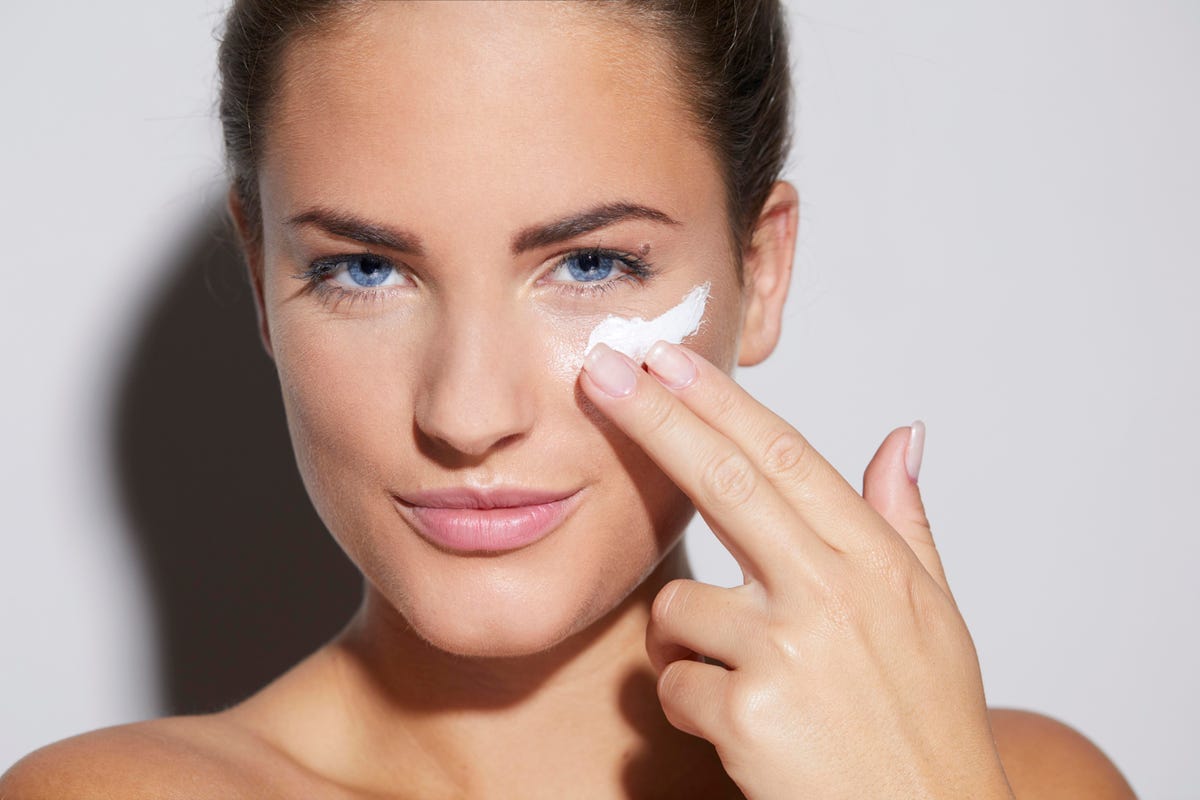
To remove any dirt and grime that has built up over the day, it is important to gently clean the skin before applying retinol. Apply the retinol to your neck, decollete, and back of your hands. Hands are often a sign of passage time.
It is recommended that you use it with the appropriate cream for each skin type. Younger skin needs to moisturize without greasing, while older skin needs a cream with more ceramides and lipids to compensate for the loss. It includes all of the following:
How to store retinol
Retinol can be damaged by heat, light, and air. Different brands have different strategies for presenting their products to maintain their qualities.
It’s a good idea, in any case, to keep it out of the direct sun.
Retinol can be a great anti-aging tool for your skin. However, it is important to understand and apply all the guidelines correctly to get maximum benefit.