


Moisture is one of the most important factors when it comes to curing concrete. During the curing process, water molecules react with the cement to form a bond that gives concrete its strength. But too much water can also cause the concrete to crack, so it’s important to find the right balance. Another important factor is the temperature. When concrete is exposed to hot, dry weather, it can crack easily. To combat this effect, you can build a shelter or keep the concrete in a cooler room.
Cured concrete
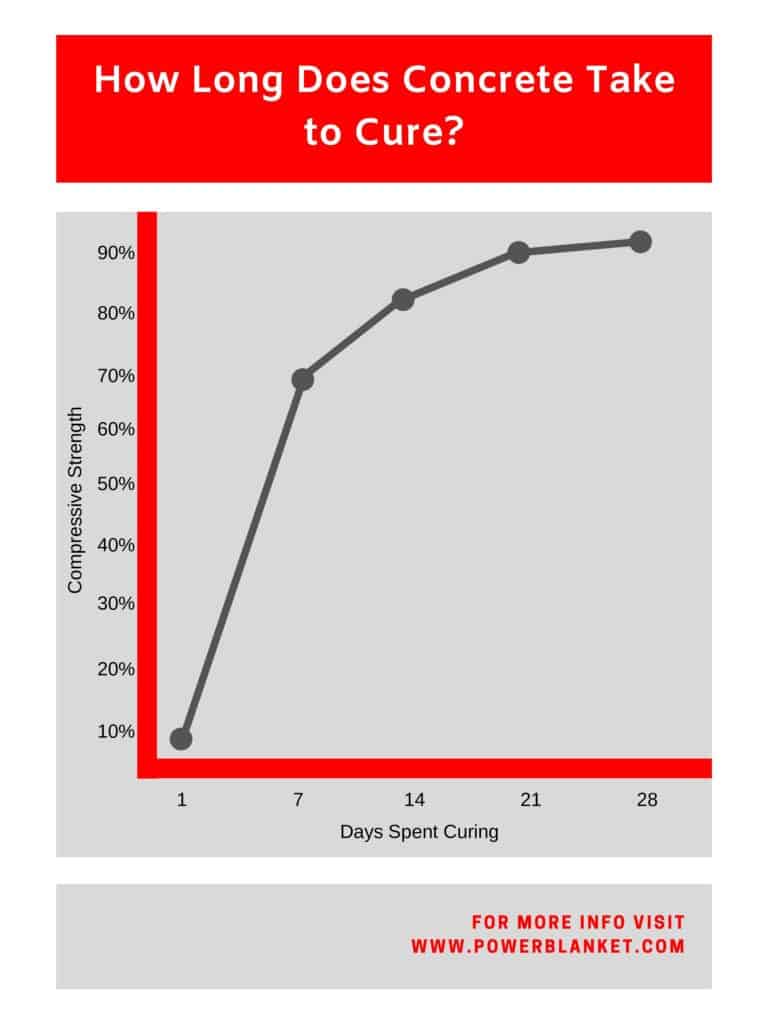
Concrete Contractor Charleston needs approximately 28 days to cure fully. For every inch of concrete poured, the concrete will need at least 30 days to dry. Concrete that dries too quickly will become chalky and soft, reducing its strength and durability. It will also shrink in the hot weather. Therefore, it is vital to allow the concrete time to fully cure.
In cold weather, the process of curing concrete can be more difficult. In order for concrete to cure properly, it must be kept from freezing for 24 hours or until the concrete is 500 pounds per square inch. Concrete that freezes too early will lose most of its strength, but it can still be placed.
For any concrete project
For any concrete project, the most convenient method of controlling the drying time is by using a concrete blanket. These blankets are easy to transport and can be used indoors or outdoors. A concrete blanket works by allowing only a small amount of water to be mixed with the dry concrete mix. This prevents the concrete from drying out too much, which weakens the surface. The concrete blanket also avoids sealing the concrete, which can block the pores and lengthen the drying time.
The dry time depends on the type of concrete mix that you use. Some concretes are very quick to set. They allow you to walk on the concrete within a few hours. Other types of concrete take up to two days to fully set. After 24 to 48 hours, the concrete should be sufficiently hard and strong to support foot traffic.
Steps in the curing process
When you’re laying concrete slabs for driveways, patios, or outdoor sheds, it is important to allow time for the concrete to cure properly. A proper cure will ensure the strength and durability of the concrete. Using the correct temperature and dampness during the curing process is crucial to ensure the best possible results. If you skip this process, it can have a negative impact on the quality of your finished product.
After you have poured the concrete, you should spray it about 5-10 times a day with water to help the concrete cure. After that, you should keep it protected from the elements for at least 24 hours, and then for at least 10 days, and then for 28 days. After 28 days, your slab should be completely cured and ready for staining or painting. Proper curing will ensure the durability of your concrete slab for years to come.
Variables that affect curing time
When it comes to Concrete Contractor Charleston SC, there are several variables that can affect curing time. Temperature is an important factor. Ideally, a concrete slab should be cured at temperatures of forty-five to sixty-five degrees Fahrenheit. However, some experts recommend letting concrete warm up to fifty-five degrees, which can reduce the curing time. The temperature affects the chemical reactions in the concrete, and colder temperatures slow down these reactions. If they occur too slowly, the concrete slab will lose strength, and may crack or collapse.
The quality of concrete is affected by several variables, including the constituent materials and proportions. The mixing process is also an important factor. The amount of time between mixing and placing the concrete also matters. Additionally, the environment, including air and ground temperatures, wind speed, and absorbent qualities of the substrate, will affect the curing time of the concrete. The longer the curing time, the greater the risk for cracks, but it also reduces the long-term strength.
Typical curing time for 4 inches of concrete
Concrete is one of the strongest construction materials, but it must be cured gradually before it is ready to be used. This process is known as hydration and begins when water is added to the mixture and continues over several weeks. Here are some common factors that can influence the amount of time it takes to cure.
Conclusion
Typically, concrete will reach 70% of its specified compressive strength within 7 days. This is a good indication that the concrete is ready for normal use. However, you should keep in mind that the actual curing time can vary based on the mix and weather. In cold weather, the concrete will cure more slowly. The ideal temperature is 50 degrees Fahrenheit or above. If the temperature falls below freezing, the concrete will not be cured.